Why Championship Belt Craftsmanship Matters More Than People Realize
A championship belt means far more than metal and leather. In wrestling culture, it stands for respect, effort, and earned success. Fans see it as proof of greatness, not just a shiny object. That is why learning how wrestling championship belts are made helps people understand their real value. Every step, from design to final polish, shapes how a belt looks, feels, and lasts. When craftsmanship comes first, a belt becomes a lasting symbol instead of a short-term display piece.
What Is a Championship Belt and Why Its Construction Is Unique
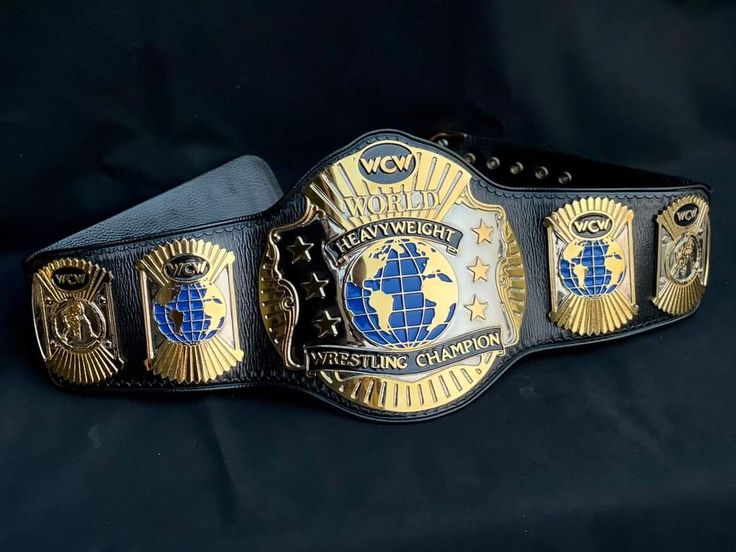
A wrestling belt differs from trophies and medals in many ways. Wrestlers wear it, raise it, and defend it in front of live crowds. Unlike a boxing belt, a wrestling title carries stories, emotions, and long legacies. It must look bold from far seats and clear on cameras. At the same time, it must feel strong without becoming uncomfortable. These demands make World Championship Belts a true craft, not a factory shortcut.
The Core Materials Used in Championship Belt Manufacturing
Material choice decides a belt’s longevity and feel. Shine alone never tells the full story. Premium wrestling championship belts use solid metal plates, real leather straps, strong snaps, and clean backing layers. Each part supports the next. Weak materials reduce shape, comfort, and trust over time. Strong materials keep the belt’s presence for years.
Metal Plates: Types, Thickness, and Material Choices
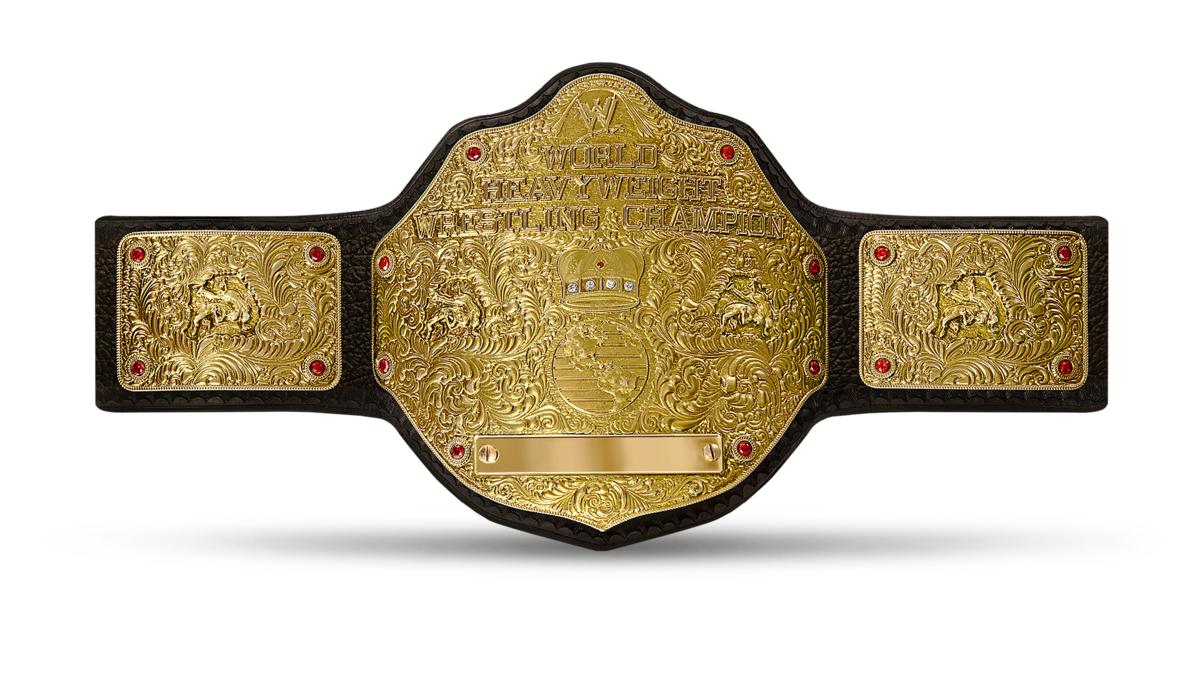
Metal plates give a belt its identity and weight. Brass plates provide deep engraving and solid heft. Zinc alloy allows complex shapes at a lower cost. Stainless steel resists rust and keeps edges sharp longer. Gold plating adds prestige but requires sealing. Plate thickness matters. Thin plates feel hollow, while thicker plates give belts like the undisputed WWE Championship belt real presence.
Leather Straps: Real Leather vs Synthetic Alternatives
Leather quality affects comfort and durability. Real leather bends naturally and supports heavy plates. It resists cracks when cut thick and finished well. Synthetic leather may look fine initially but peels and hardens over time. Belts inspired by the WWE Big Eagle Belt rely on strong leather to hold weight without sagging or warping.
Fasteners, Snaps, and Backing Materials
Snaps and backing layers may seem minor but affect usability greatly. Weak snaps fail during display or wear. Reinforced snaps last longer and stay secure. Backing layers protect both wearer and plates. These details keep WWF replica belts functional and trusted by collectors and performers.
Step-by-Step Manufacturing Process of a Championship Belt
Understanding the build process explains why belt quality differs across sellers. Each step ensures consistency and durability.
Design and Artwork Preparation
Designing a belt starts with layout planning. Makers map logo size, spacing, and symmetry before cutting metal. This stage respects history, such as the WWE Intercontinental Championship, while adapting designs for modern needs. Mistakes here affect the entire build.
Plate Cutting, Casting, and Shaping Methods
CNC cutting delivers clean, sharp edges. Casting supports larger production runs with repeat accuracy. Hand shaping adds depth and a personal touch. Skilled makers often combine methods to balance accuracy and detail, especially for display-focused WWE figure belts.
Engraving Techniques That Define Belt Detail
Engraving separates premium belts from simple copies. Acid etching creates deep lines. Hand engraving adds texture. Laser engraving keeps shapes precise. Shallow engraving weakens impact, especially on an engravable championship belt, where logos and names must stand out clearly.
Polishing, Plating, and Finishing Processes
Plates pass through several polishing stages before plating. Gold or nickel coating follows, then seal layers to protect against wear. Quality checks ensure even shine and tone across the belt.
Assembly and Final Belt Construction
Makers mount plates onto leather using screws or rivets. Snaps are aligned for comfort and security. Final inspection confirms balance, weight, and presentation before shipping.
What Makes a Championship Belt Feel Truly Premium
Premium belts feel different immediately. They balance weight, shine, and texture perfectly. Quality craftsmanship shows in every detail.
Weight, Balance, and Wearability
Balanced weight ensures the belt sits properly on the waist or shoulder. Styles inspired by the Roman Reigns belt feel powerful without stressing leather or snaps.
Detail Sharpness and Surface Finish
Clean edges and deep engraving reflect skilled work. Blurry details signal shortcuts and cheap builds.
Stitching Quality and Leather Flexibility
Even stitching prevents leather cracks. Flexible straps extend belt life and maintain visual appeal.
Common Mistakes in Championship Belt Manufacturing and Buying
Many buyers regret ignoring small details.
Thin Plates and Lightweight Materials
Thin plates reduce realism and long-term value. Authentic wrestling championship belts use sturdy metal.
Design errors ruin impact. On WWE mini belts, fine detail matters the most.
Benefits of High-Quality Championship Belt Craftsmanship
Quality craftsmanship pays off in longevity and pride of ownership.
Long-Term Durability and Display Value
Premium belts retain shine, structure, and weight over time.
Authentic Look for Collectors and Wrestlers
High-end wrestling championship belts enhance both live events and personal displays.
Customization Potential and Personal Identity
Well-made belts support engraved names and logos that remain crisp for years.
Real-World Use Cases for Championship Belts
Belts serve more than wrestling events.
Professional Wrestling Promotions and Indie Events
Durable belts survive travel, heavy handling, and repeated display.
Personal Collections and Memorabilia Displays
Collectors value realism, weight, and precise details in display belts.
Corporate Awards, Gyms, and Special Recognition
Belts reward achievement and inspire pride in professional or training settings.
Material Comparison Table
Component
Premium Choice
Budget Choice
Effect on Belt Quality
Plates
Brass or Steel
Thin Zinc
Weight and realism
Leather
Real Hide
Synthetic PU
Flex life and comfort
Engraving
Deep Hand or Acid
Shallow Laser
Visual clarity
Snaps
Reinforced Metal
Light Alloy
Use strength
Finish
Sealed Gold or Nickel
Basic Coat
Wear life
Actionable Advice: How to Choose a Well-Made Championship Belt
Smart buying starts with clarity. Buyers must inspect each detail carefully.
What to Check Before Buying a Championship Belt
Check plate thickness, leather type, snap quality, and engraving depth.
Questions to Ask a Belt Manufacturer
Ask about metal grade, plating method, leather source, and sealing process.
How to Match Budget with Quality Expectations
Match the belt choice with intended use, display, or gifting.
Frequently Asked Questions About Championship Belt Manufacturing
How long does it take to make a championship belt? Production usually takes two to four weeks, depending on customization.
What material is best for championship belt plates? Brass provides the best combination of weight, engraving depth, and durability.
Are handmade championship belts better than machine-made ones? Hand finishing improves depth, while machines ensure accuracy and repeatability.
How can I tell if a belt is real leather? Real leather bends naturally, smells authentic, and resists cracking.
Do custom championship belts last as long as standard designs? Yes, if they are built with proper materials and deep engraving.
Conclusion: Craftsmanship Is What Turns a Belt into a Legacy
True prestige comes from skilled work, not shortcuts. Every metal choice and leather cut shapes the final value. At WC Belts, we build trusted World Championship Belts that last and honor wrestling culture. When craftsmanship leads design, a belt becomes more than a product—it becomes a lasting symbol of pride and achievement.



Add your first comment to this post