
General
The WWE Intercontinental Championship: A Legacy of Wrestling Excellence
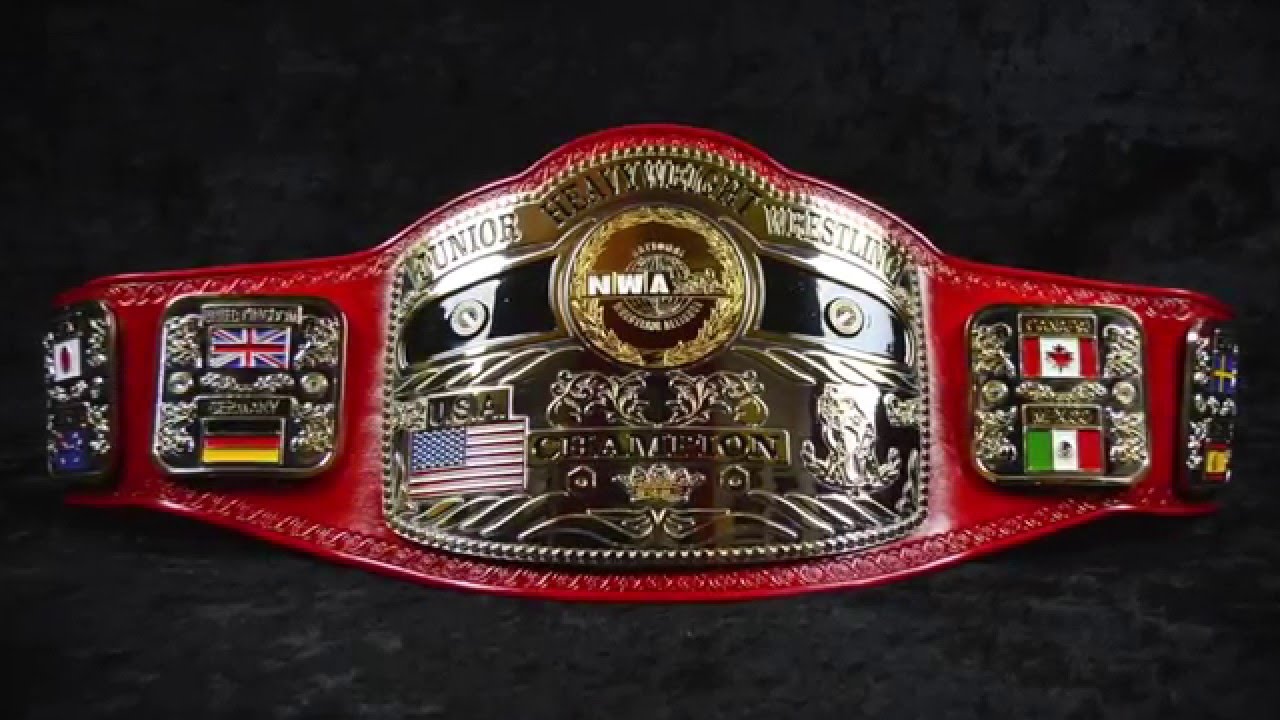
The WWE Intercontinental Championship has stood as a symbol of skill and courage in wrestling. It differs from other wrestling championship belts because it highlights talent and endurance. Fans respect this championship belt for its history, the iconic wrestlers who held it, and the battles fought for it. Collectors enjoy owning WWF replica belts, WWE figure belts, or even WWE mini belts that honor this famous title.
From its first presentation in 1979 to today, the belt shows growth in design and value. Modern champions, including Roman Reigns, hold Roman Reigns’s belt proudly, showing both prestige and mastery. This title continues to inspire fans and wrestlers alike while shaping WWE’s storylines and collections.
The Origins of the WWE Intercontinental Championship
The WWE Intercontinental Championship started in 1979 as WWE looked to raise competition. It offered wrestlers a chance to rise above mid-card wrestling championship belts. The belt quickly became a sign of ambition and determination. Its creation gave wrestlers a target and encouraged intense feuds that thrilled audiences.
Pat Patterson became the first champion through a decisive tournament. Since then, the belt has evolved with updates to plates, straps, and design. Collectors value WWF replica belts, WWE figure belts, WWE mini belts, and engravable championship belts to preserve this legacy. Fans can even customize replicas to honor favorite champions.
Design and Evolution of the Intercontinental Championship
The Intercontinental Championship stands out for its classic gold plates and detailed leather strap. Its design balances strength and elegance, unlike other boxing belts or wrestling championship belts. Over the decades, WWE updated it, reflecting trends but keeping the core identity.
Fans often pair WWE Big Eagle Belt replicas with the Intercontinental title to complete their collections. Personalized engravable championship belts let collectors mark memorable events or wrestlers. These features make it a centerpiece for homes, displays, and cosplay. Both collectors and fans appreciate how its look complements other WWF replica belts and WWE figure belts.
Legendary Champions of the WWE Intercontinental Championship
Many wrestlers have defined the Intercontinental Championship over the decades. Their reigns, achievements, and style shaped WWE history. To make it easy to understand, here’s a table highlighting some of the most iconic champions, their reign periods, and notable contributions:
| Champion | Reign Period | Notable Achievements | Popular Replica Belt Type |
|---|---|---|---|
| Pat Patterson | 1979–1984 | The first champion set tone for future stars | WWF replica belts |
| Randy Savage | 1986–1987 | Iconic feuds and high-energy matches | WWE figure belts |
| Shawn Michaels | 1992–1993 | Ladder match legend, technical skill | Engravable championship belt |
| The Rock | 1997–1998 | Charismatic promos, fan favorite | WWE mini belts |
| Triple H | 1997–1998 | Showed versatility and dominance | WWE Big Eagle Belt |
| Roman Reigns | 2020–Present | Modern era dominance, global star | Roman Reigns’s belt |
Historic Matches and Memorable Feuds
The Intercontinental Championship has been central to legendary matches. Ladder matches, high-stakes bouts, and intense rivalries have tested every champion. Iconic showdowns, like Shawn Michaels versus Razor Ramon, set new standards for wrestling drama. The belt represents creativity and innovation, much like top boxing belts in combat sports.
Fans admire how the belt showcases resilience and skill. Each match adds to the prestige, making it essential for collectors. Displaying WWF replica belts alongside these moments allows fans to relive history. WWE figure belts and WWE mini belts provide tangible links to these classic matches.
The Role of the Intercontinental Championship Today
Today, the WWE Intercontinental Championship still matters in WWE programming. While the Undisputed WWE Championship is the top prize, the Intercontinental title highlights emerging talent and keeps mid-card wrestlers relevant. Fans enjoy seeing new champions rise and challenge veterans.
Modern storylines feature Roman Reigns and other stars holding the belt. Collectors often complement this with WWE Big Eagle Belt replicas and other wrestling championship belts. Owning engravable championship belts or WWF replica belts helps fans celebrate each title’s unique legacy.
Collecting the Intercontinental Championship: Replicas and Memorabilia
For fans, collecting the Intercontinental Championship is a way to honor wrestling history. Many focus on WWF replica belts, WWE figure belts, or WWE mini belts for their displays. Others choose engravable championship belts for personalization, marking favorite champions or matches.
The Intercontinental title stands out for its prestige and story. Fans use replicas for home displays, cosplay, or gifts. Combining it with other collectibles like the Undisputed WWE Championship or Roman Reigns’s belt creates a full WWE-themed display. This collection reflects both the skill and dedication of past champions.
Why the Intercontinental Championship Remains Iconic
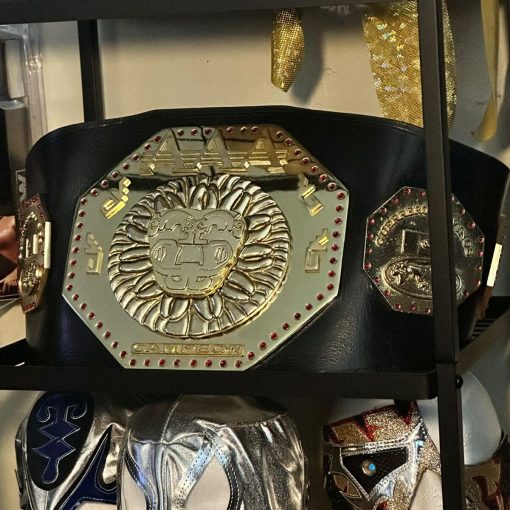
The Intercontinental Championship goes beyond being a simple wrestling belt. It reflects the skill of champions, the passion of fans, and WWE’s legacy. Its unique design, history, and role in matches make it special.
Linking the belt with WWF replica belts, WWE figure belts, WWE mini belts, and engravable championship belts allows fans to engage with the story. The Intercontinental Championship continues to inspire wrestlers and collectors, showing why it stands apart from other boxing belts or wrestling championship belts.
Conclusion
The WWE Intercontinental Championship remains a mark of skill, courage, and history. From Shawn Michaels to Roman Reigns, champions have carried it with pride. Fans and collectors celebrate it with WWF replica belts, WWE figure belts, and WWE mini belts. Pairing it with the Undisputed WWE Championship or WWE Big Eagle Belt completes the collection.
The Intercontinental Championship is more than a belt; it is a living symbol of wrestling’s past, present, and future. Whether in competition or in collections, this championship belt inspires dedication and passion. It continues to shine as a timeless part of WWE heritage.
