
General
What Makes a Wrestling Belt Valuable? Materials, Craftsmanship & Collectibility

Wrestling belts represent more than just championship victories. These iconic symbols carry significant value that goes beyond their visual appeal. Collectors and fans invest thousands of dollars in these pieces, but what exactly determines their worth?
This guide explores the three key factors that make a wrestling belt valuable: the materials used in construction, the level of craftsmanship involved, and its collectibility in the market.
Understanding Wrestling Belt Value
A championship belt‘s value depends on multiple factors working together. You cannot judge a belt’s worth by looking at just one aspect. The materials, construction quality, historical significance, and rarity all play important roles.
Some wrestling championship belts sell for a few hundred dollars, while others fetch prices in the tens of thousands. The difference lies in understanding what separates an ordinary belt from a truly valuable piece.
Materials That Matter
Precious Metals
High-quality World Championship Belts use real metals that add substantial value. Authentic championship belts often feature:
Gold plating forms the foundation of most valuable belts. Manufacturers apply genuine 24-karat gold over a base metal. The thickness of this gold layer affects both durability and value. Premium belts use thicker gold plating that lasts longer and looks richer.
Silver and nickel provide structural support beneath the gold. These metals create a stable base that prevents warping and damage over time.
Zinc alloy appears in many replica belts. This material costs less than precious metals but still creates an impressive appearance. Replicas made with zinc alloy offer good value for fans who want quality without the premium price.
Leather Quality
The leather strap determines how well a wrestling belt wears over time. Premium belts use full-grain leather that develops character with age. This leather type comes from the top layer of the hide and shows natural markings.
Lower-quality belts use bonded or synthetic leather. These materials crack and peel after regular use. A genuine leather strap adds significant value to any championship belt.
Gemstones and Embellishments
Many valuable belts feature genuine or high-quality synthetic stones. Manufacturers set these stones by hand into the metal plates. Common embellishments include:
- Cubic zirconia stones that mimic diamonds
- Colored crystals for visual impact
- Rhinestones for decorative accents
Authentic championship belts sometimes use real diamonds and precious stones. These additions can increase a belt’s value by thousands of dollars.
The Art of Craftsmanship
Hand-Tooled Details
Master craftsmen create the most valuable belts through careful handwork. They tooled intricate designs into the leather and hand-finished metal plates. This process takes dozens of hours for a single wrestling belt.
Machine-made belts lack the fine details that hand-tooled pieces possess. You can spot the difference by examining the edges, engravings, and overall finish quality.
Plate Design and Engraving
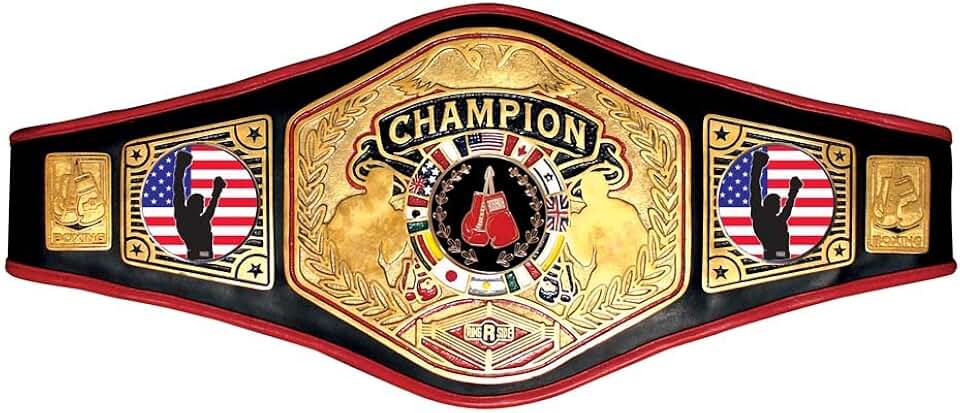
The center plate serves as the belt’s focal point. Skilled artisans create detailed engravings that tell a story. They use several techniques:
Deep engraving cuts designs into the metal surface. This method creates shadows and depth that catch light beautifully. An engraved championship belt showcases the artisan’s skill through every line and curve.
Raised elements stand out from the base plate. Craftsmen build up these sections to create a three-dimensional effect.
Etching adds fine details and textures. This delicate process requires steady hands and years of experience.
Construction Techniques
Premium belts feature superior construction methods. Manufacturers attach plates to leather using heavy-duty snaps or rivets. These connections withstand years of display or wear.
The stitching quality also matters greatly. Double-stitched seams with heavy-duty thread prevent tears and separation. Craftsmen often stitch belts by hand for maximum durability. This level of attention appears in high-end pieces like the WWE Intercontinental Championship and other prestigious titles.
Weight and Feel
Valuable wrestling belts carry substantial weight. Authentic championship belts typically weigh between 5 and 10 pounds. This heft comes from thick metal plates and quality leather. The Roman Reigns belt, for example, features substantial weight that reflects its premium construction.
Lightweight belts usually indicate cheaper materials or thin plating. Collectors prefer heavier pieces that feel substantial in hand.
Collectibility Factors
Historical Significance
Belts gain tremendous value through their connection to wrestling history. Several factors boost collectibility:
Championship lineage matters enormously. Belts that crowned legendary champions command higher prices. A belt worn by icons like Hulk Hogan, Stone Cold Steve Austin, or The Rock carries premium value. The WWE Big Eagle belt remains one of the most sought-after designs due to its association with the Attitude Era.
Era and promotion influence desirability. Belts from wrestling’s golden age or from legendary promotions become more sought after as time passes. WWF replica belts from the 1980s and 1990s continue to appreciate in value.
Memorable moments attached to specific belts increase their worth. A belt featured in historic matches or storylines becomes more valuable to collectors. The Undisputed WWE Championship Belt gained significant collectibility after unifying multiple titles.
Rarity and Limited Production
Scarcity drives up value in any collectible market. Wrestling belts follow this same principle.
Limited edition releases sell out quickly and appreciate in value. Manufacturers produce these belts in small numbers, often numbering each piece. WWE mini belts and WWE figure belts serve different markets but follow similar scarcity principles.
Discontinued designs become harder to find over time. When a promotion retires a belt design, existing pieces gain collectibility.
Prototype belts represent the rarest finds. Manufacturers create these test versions before final production. Only a handful of prototypes exist for most belt designs.
Authentication and Provenance
Documented history adds significant value to any wrestling belt. Collectors pay premium prices for belts with verified provenance.
Certificates of authenticity prove a belt’s legitimacy. Reputable manufacturers include these documents with each championship belt.
Photographic evidence connects a belt to specific wrestlers or events. Pictures showing a champion holding the exact belt increase its value dramatically.
Championship lineage documentation traces a belt’s history through multiple title reigns. This paperwork becomes part of the belt’s story and value.
Condition and Preservation
A belt’s physical condition directly impacts its value. Collectors look for these quality indicators:
Minimal wear shows the belt received proper care. Scratches, dents, and tarnishing reduce value significantly.
Original components matter to serious collectors. Replaced plates or straps lower a wrestling belt‘s worth compared to all-original pieces.
Proper storage preserves a belt’s condition over time. Belts kept in climate-controlled environments away from direct sunlight maintain their value better.
Quick Reference: Belt Authentication Checklist
| What to Check | Authentic Signs | Warning Signs |
| Documentation | Certificate of authenticity included | No paperwork provided |
| Weight | 5-10 pounds (substantial heft) | Feels lightweight or hollow |
| Materials | Real leather, thick gold plating | Synthetic leather, thin plating |
| Craftsmanship | Hand-tooled details, clean stitching | Machine-made, loose threads |
| Price | Matches market value for type | Too cheap for quality claimed |
| Seller Reputation | Established dealer, return policy | Unknown source, no returns |
Replica vs. Authentic Championship Belts
Official Replicas
Licensed manufacturers produce official replicas that mirror actual championship belts. These pieces use quality materials and craftsmanship but cost less than authentic versions. WWF replica belts offer fans a way to own iconic designs from wrestling history.
Official replicas typically range from $400 to $1,500. They offer excellent value for fans who want impressive display pieces without collector-level investment.
Authentic Championship Belts
True championship belts used in promotions carry the highest values. These pieces feature the finest materials and craftsmanship available. World Championship Belts worn by legendary competitors represent the pinnacle of collectibility.
Authentic belts often cost $5,000 to $50,000 or more. The price depends on historical significance, condition, and provenance. Belts actually worn by famous wrestlers command the highest prices.
Budget Options
Entry-level belts serve casual fans and young collectors. Manufacturers make these pieces with less expensive materials like thin plating and synthetic leather. WWE mini belts and WWE figure belts provide affordable options for fans who want smaller-scale replicas.
Budget belts typically cost $50 to $300. They work well for display purposes but lack the durability and prestige of premium options.
Investment Potential
Market Trends
The wrestling memorabilia market has grown steadily over recent years. Vintage wrestling championship belts from the 1980s and 1990s show particularly strong appreciation.
Several factors drive this growth:
- Nostalgia from fans who grew up during wrestling’s boom periods
- Increasing mainstream acceptance of wrestling as entertainment
- Limited supply of authentic vintage pieces
Interestingly, boxing belt collectors also drive market growth as combat sports memorabilia gains mainstream acceptance.
Building a Collection
Smart collectors focus on quality over quantity. They invest in fewer, higher-value pieces rather than accumulating many low-quality belts.
Successful collecting strategies include:
Research before buying helps avoid overpaying or purchasing fakes. Collectors study belt designs, materials, and market values extensively. Understanding the differences between various championship belt designs proves essential.
Buying from reputable sources protects against counterfeits. Established dealers and licensed manufacturers offer guarantees and authentication.
Focusing on personal interest makes collecting more enjoyable. Collectors who buy belts from their favorite promotions or eras build more meaningful collections. Some collectors specialize in specific designs like the WWE Intercontinental Championship or the WWE Big Eagle belt.
Caring for Your Investment
Proper Display
Display methods protect belts while showing them off. Many collectors use these approaches:
Wall mounts keep belts visible and accessible. Quality mounts support the wrestling belt‘s weight without causing stress or damage.
Display cases offer maximum protection from dust, humidity, and handling. Glass-front cases allow viewing while providing a barrier against environmental damage. This method works particularly well for valuable pieces like the Undisputed WWE Championship Belt.
Belt stands work well for desktop or shelf display. These stands support the belt’s natural shape and prevent creasing.
Maintenance Tips
Regular care preserves a championship belt‘s value and appearance:
Dust gently with a soft, dry cloth. Avoid harsh chemicals that might damage plating or leather.
Polish metal plates occasionally with appropriate metal polish. Test any product on a small, hidden area first. This applies to all types, from wrestling championship belts to boxing belt replicas.
Condition leather annually with quality leather conditioner. This treatment prevents drying and cracking.
Avoid direct sunlight, which fades colors and damages both metal and leather over time.
Control humidity in storage areas. Excess moisture causes tarnishing and leather damage, while too-dry conditions crack leather.
Making Informed Purchases
Questions to Ask Sellers
Before buying any wrestling belt, gather complete information:
- What materials does the belt use?
- Who manufactured the belt?
- Does it include authentication documentation?
- What is the belt’s condition and history?
- Does the price include a return policy?
Red Flags to Watch For
Certain warning signs indicate potential problems:
Unusually low prices often signal fake or damaged goods. Quality championship belts cost substantial amounts due to materials and labor.
Vague descriptions hide important details. Legitimate sellers provide specific information about materials, condition, and provenance.
No return policy leaves buyers without recourse if problems arise. Reputable sellers stand behind their products.
Poor-quality photos might conceal damage or quality issues. Request additional images before committing to purchase.
Conclusion
Wrestling belt value stems from a combination of materials, craftsmanship, and collectibility. Premium materials like gold plating and genuine leather form the foundation. Skilled craftsmanship transforms these materials into beautiful, durable pieces. Historical significance and rarity make certain belts highly collectible.
Understanding these factors helps buyers make informed decisions whether they seek display pieces or investment-grade collectibles. Quality World Championship Belts hold their value and often appreciate over time when properly maintained. From the iconic Roman Reigns belt to classic WWF replica belts, each piece tells a unique story.
Start your collection by researching designs that interest you most. Buy the best quality you can afford from reputable sources. Whether you choose an engraved championship belt or WWE figure belts for a smaller collection, prioritize authenticity and condition. With careful selection and proper care, your wrestling championship belts can become treasured possessions that potentially grow in value for years to come.
